
AI Robotics · Autonomous cleaning fleet
The night shift that never calls in sick
Autonomous floor-cleaning robots for hospitals, warehouses, retail and schools — machines that map your building, plan their own routes, and clean every night to the same standard.
ScrollFind your machine
Which machine fits your floor?
Start with the kind of space you clean — we will name the machine built for it.
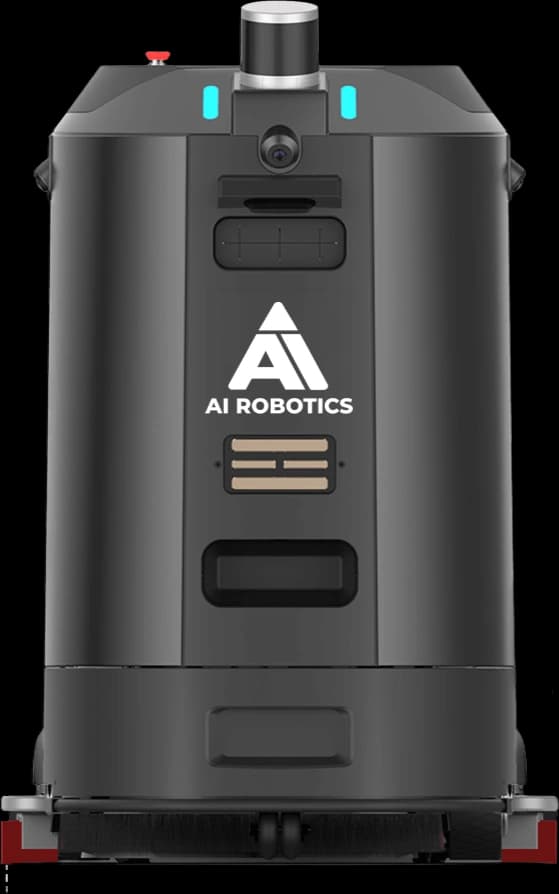
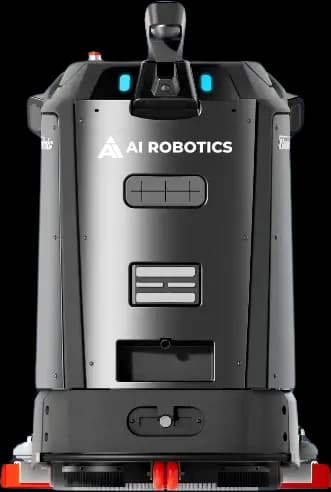
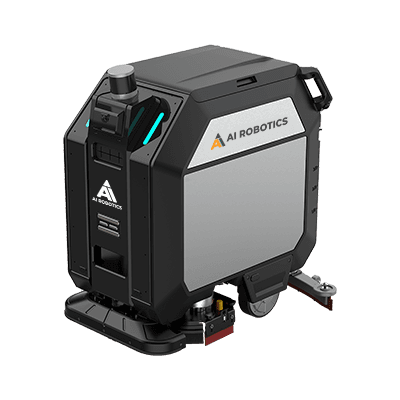
L3Autonomous floor scrubber
Your floors have narrow corridors, standard doorways or crowded aisles where a larger machine simply cannot fit — hospital wings, classrooms, small-format retail.
Works in
- Hospitals
- Schools
- Retail
- Offices
- Clinics
01 / 05
- passage width
- 700mm
- max productivity
- 2,016m²/h
- NVIDIA AI compute
- 100TOPS
Why autonomous
The numbers behind the decision
$0.086/m²
cleaning cost — 5–7× below manual labor
50%
typical labor cost reduction
9–12mo
payback on large open floors
62dB
quiet enough for open trading hours
One deployed scrubber has logged 345+ autonomous hours a month — the working hours of two full-time staff — while floor maps guarantee identical coverage every night, independent of turnover, sickness and fatigue.
The fleet
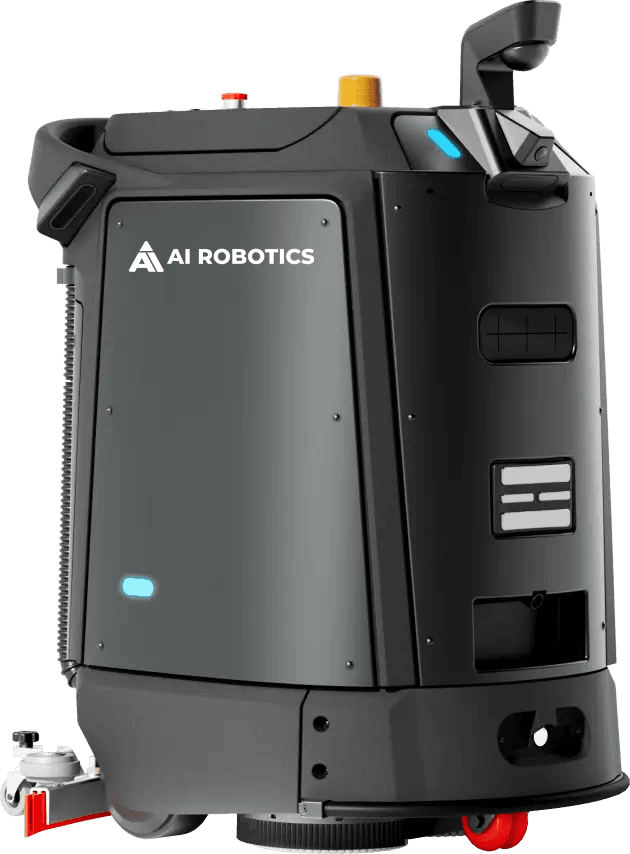
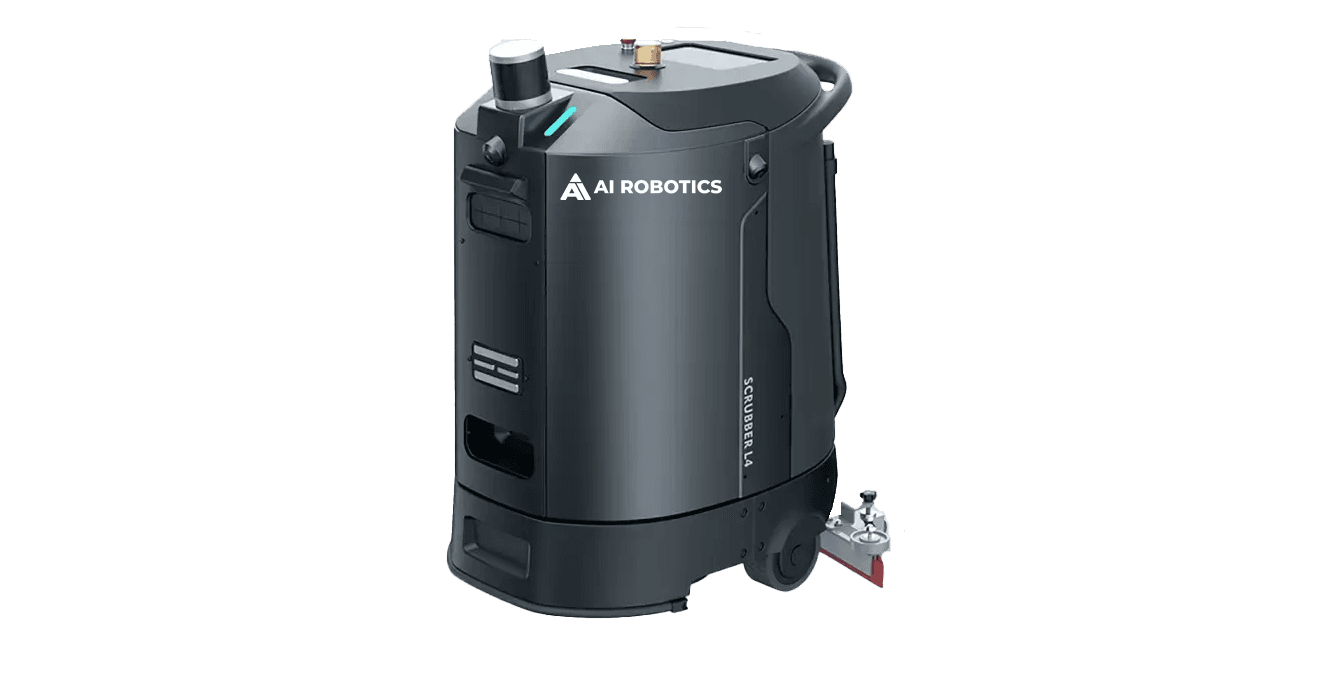
Five machines. Every floor covered.
Where they work
Built for buildings that never really close
Field reports
From the field, worldwide
Operator reports from live deployments of our robot platform.
Read the full reference →600,000 square feet of carpet cleaned automatically. We anticipate saving tons of money.
Jeff Heugli
Chief Executive Officer
Beacon Hill — Detroit, Michigan
The bots are making a huge difference in our hospital cleanliness. Our staff now focus on deep scrubbing, stripping and waxing.
Brindy Literski
Manager, Environmental Services
Aspirus Hospital — Wausau, Wisconsin
It has revolutionized our operations and guest experience.
Frizzell Frizzell
Chief Operating Officer
Inn of the Mountain Gods — Albuquerque, New Mexico
FAQ
Questions we get asked
What does "100 TOPS AI compute" mean?
TOPS stands for trillion operations per second — a measure of how much AI processing the robot's onboard chip can do. On a cleaning machine that capacity goes on reading the LiDAR and cameras many times a second: spotting obstacles, planning a route, and recognising what is on the floor. More TOPS means the machine can run heavier perception models and react faster in a busy space. The L3 and S5 carry 100 TOPS of NVIDIA compute; the L4 carries 32 TOPS.
Which of the five machines do we need?
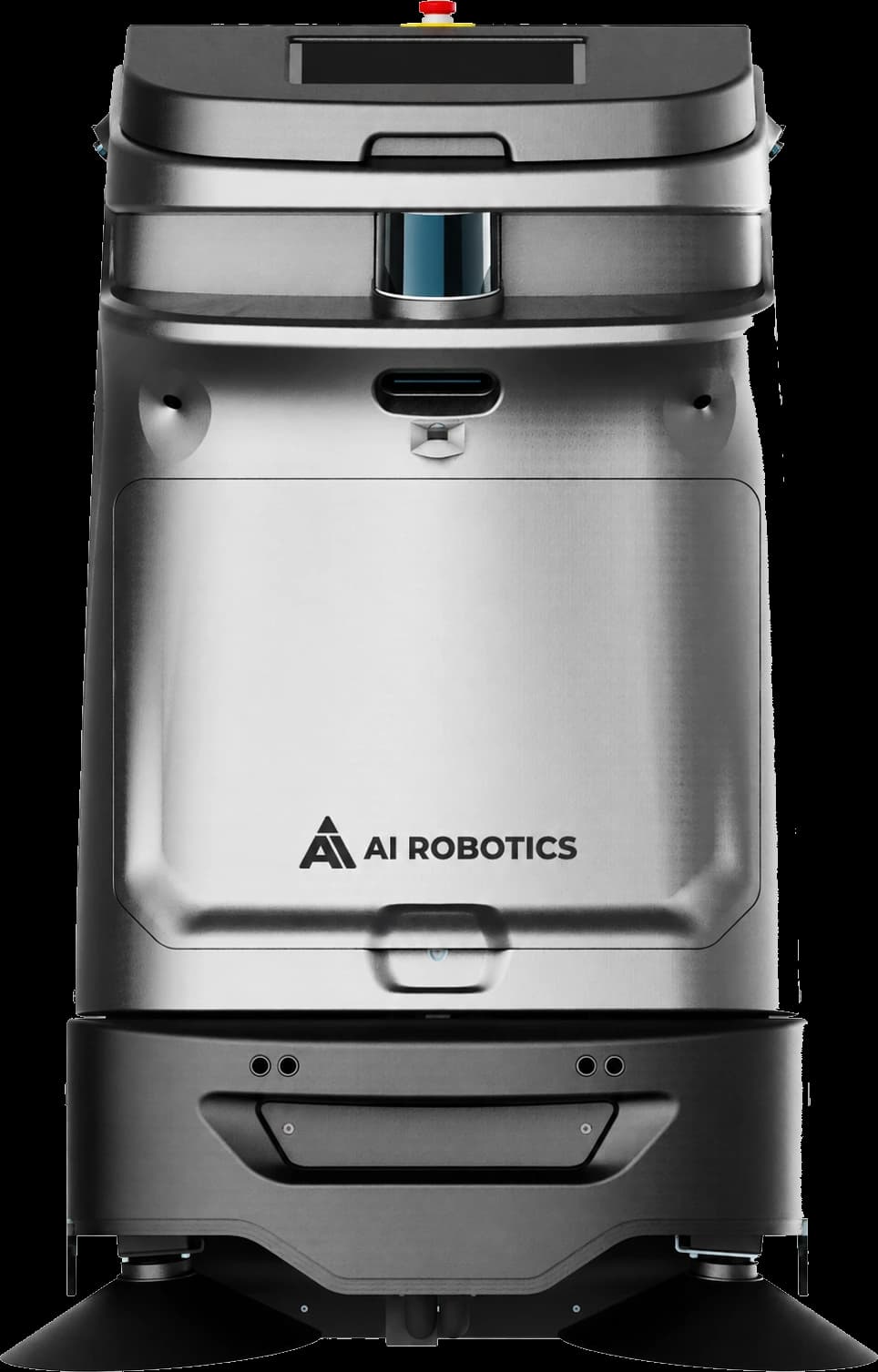
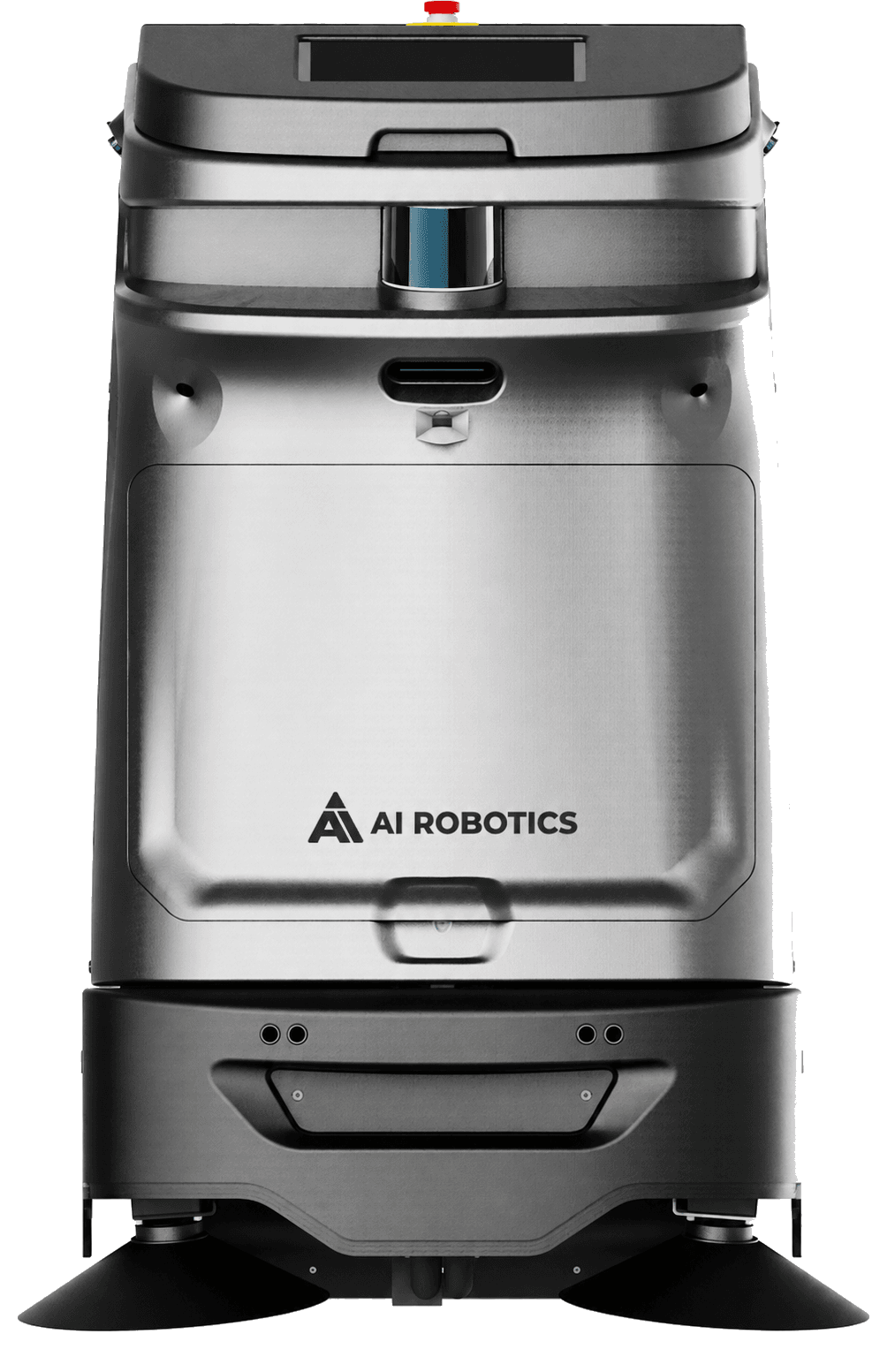
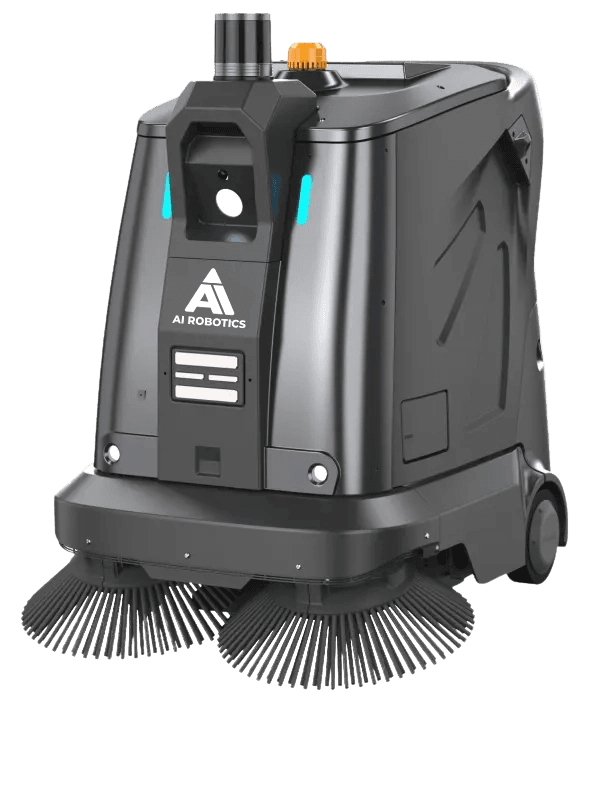
It depends on the floor rather than the building. The L3 passes through 700 mm gaps, for tight retail, hospitals and schools. The L4 clears a standard doorway at 810 mm and scrubs to within 3 cm of the wall. The L50 is built for warehouse-scale open floor. The S5 sweeps dry debris in industrial settings. The SP50 patrols for scattered mess instead of scrubbing everything. Tell us the size, floor type and operating hours and we will recommend one.
Does this replace our cleaning staff?
In practice it changes what they spend their time on. Aspirus Hospital reported that their team moved onto deep scrubbing, stripping and waxing once the robots took over routine floor coverage — the work that needs judgement, rather than the work that needs repetition.
Does someone need to operate it?
No. Routes are mapped once at deployment, after which the machine runs to schedule and docks itself when it finishes. Anyone on shift can start it, stop it or return it to the dock from the onboard touchscreen, without specialist training.
What happens when we move shelving or change the layout?
The L3 and SP50 update their floor maps automatically, so a changed layout does not need a new survey.
How long does it run before charging?
Between three and six hours of continuous work depending on the model, recharging in one and a half to four hours. The SP50 patrols for up to 13 hours. Several models dock and recharge themselves between runs.
Is it safe around staff, customers and vehicles?
The machines detect obstacles at up to 150 m, including protruding objects and the floor-to-ceiling glass that defeats simpler sensors. The S5 additionally recognises forklifts and AGVs and keeps clear of them.
Do you service and support these in Thailand?
Yes. We respond within 24 hours, hold spare parts, and carry out the maintenance ourselves.
Can we see one working first?
Yes. We run demonstrations — get in touch and we will arrange one.
Put a robot on your floor.
Tell us about your facility — square footage, floor type, operating hours — and we'll come back with a recommendation and a quotation, usually within one business day.